I made a trip up to London this week to see Tate Modern’s exhibition The World Goes Pop, a sampling of global Pop Art. I was familiar with the American and English takes on this colorful, ironic, playful genre. It never occurred to me that the rest of the world had another take on Pop. But that’s what I’m here for, folks: to learn as well as teach. Here’s my intro to Pop Art, with the Tate’s international show to come.
In the 1950’s, we humans were digging out of World War II. An era of prosperity and freedom had a firm hold in America. Many homes had television sets, and they were used to deliver messages of how great life is right to our dinner tables. Of course, if you were a woman or racial minority or gay, things might not be so grand. On TV, Father Knows Best reinforced our idea that (white, married, suburban) father, in fact, does know better than anyone. And between squeaky clean sit-coms with mom washing dishes in her pearls, we could see advertisements of mom washing clothes with Ivory soap!
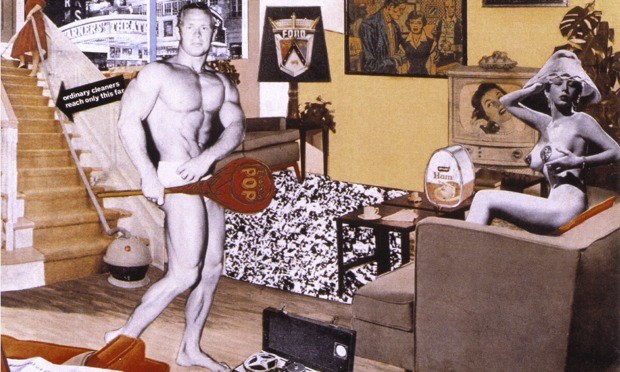
Beginning in the early 1950’s, Brits like Eduardo Paolozzi and the Independent Group picked up on the inequality, irony, and commercialism and began dissecting it. They drew from advertisements, pulp fiction, comics, and other sources to comment about the state of the world at the time. The first pop artists used collage to incorporate images from printed media and packaging to hint at how we are manipulated by advertisers. Richard Hamilton’s 1956 collage Just what is it that makes today’s homes so different, so appealing? is one of the first examples of this trend.
By the mid 50’s, American artists were joining the discussion. They too were interested in commercialization and mass media. They wanted to move away from intimate, personal imagery to examine the “art” we were beginning to be bombarded with daily. The Pop Art movement really began taking off in America in the 1960’s with artists like Jasper Johns, Roy Lichtenstein, and Andy Warhol.
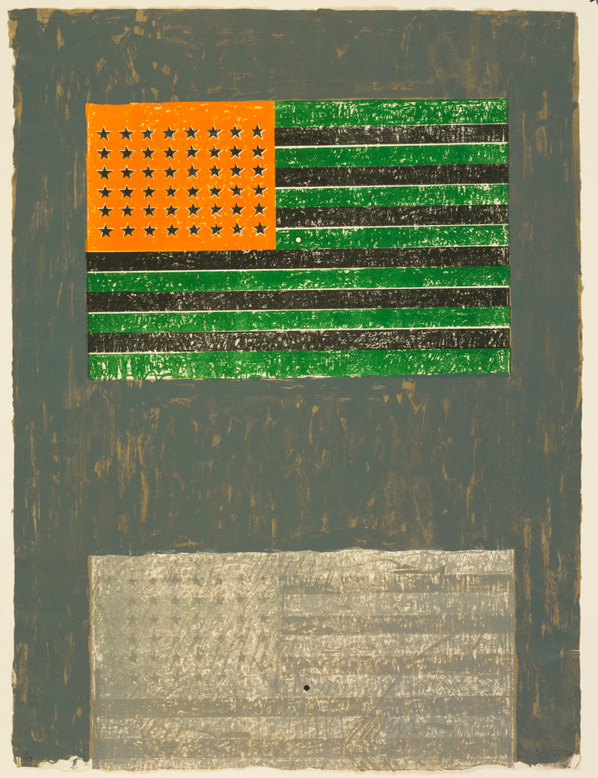
Jasper Johns used printed symbols we are all familiar with, like maps, flags, and numbers. Using a symbol that is recognizable to everyone, but out-of-context, makes us question its meaning. His Flags from 1968 removes the standard coloration from the American flag symbol, causing the viewer to do a double take.
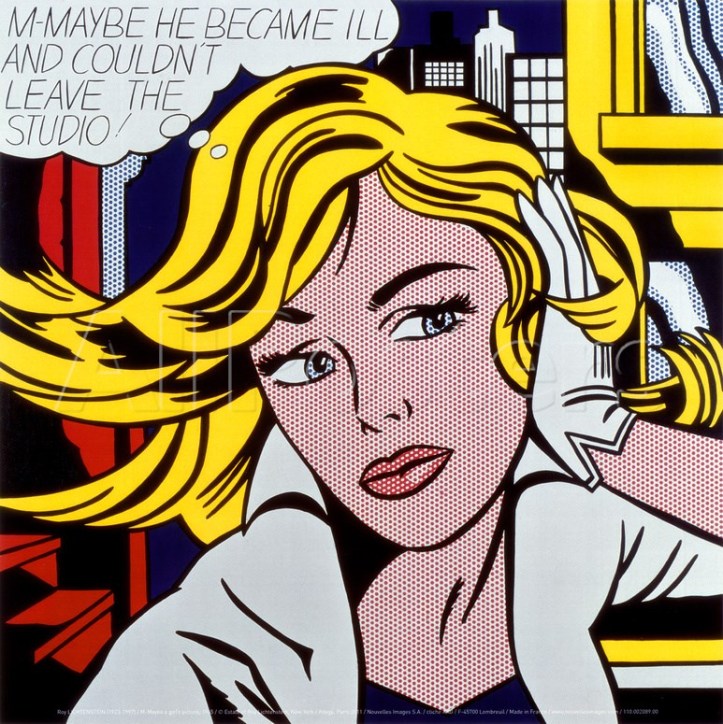
Roy Lichtenstein is known for sampling images from printed sources. He made oil paintings by enlarging mass-produced comic book frames to enormous proportions. The result was bold, humorous questions about what can be considered art.
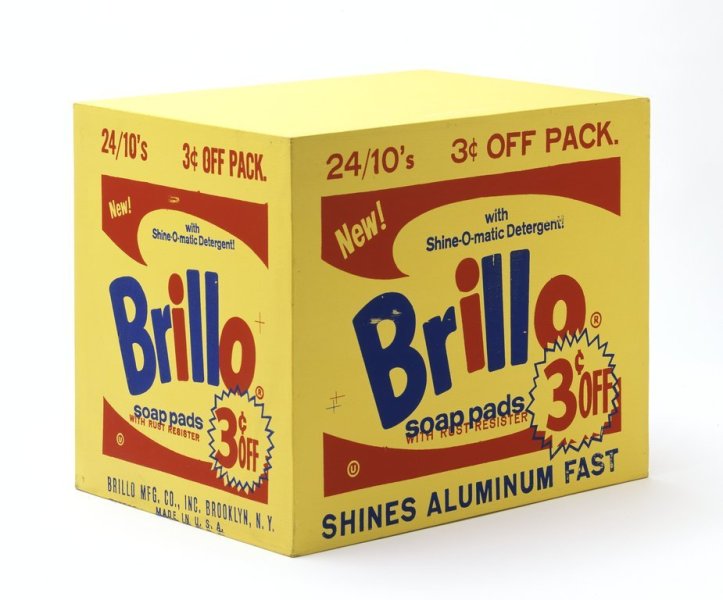
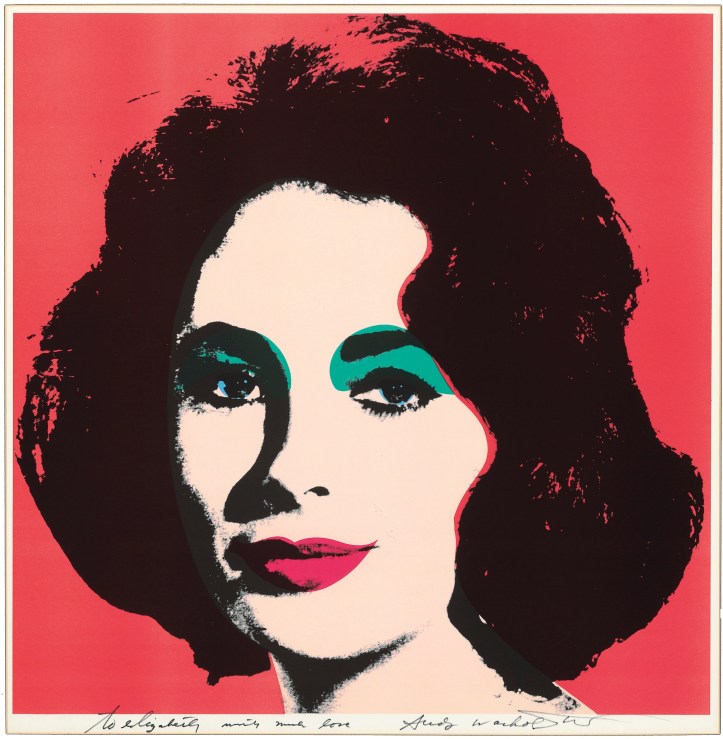
The most recognizable Pop Artist of the day was Andy Warhol. He worked as a graphic designer and illustrator in the 1950’s and went on to use advertising images and production methods in fine art. His portraits of celebrities and product packaging give us a window into American life.
That’s what was going on in England and America in the 1950’s and 60’s. With this background information, read about my introduction to non-Western Pop Art in part two!
 Wish Y'all Were Here